

Pelvic Pain Treatment
We offer expert pelvic health care for those experiencing pain in the pelvic and abdominal regions in both our Midtown Atlanta and Marietta locations.

The pelvic floor muscles as well as the muscles around the abdomen and pelvis have been shown to be involved frequently when people are experiencing pelvic pain.
We utilize a full-body approach addressing what is happening with the muscles specifically, as well as the rest of the body, including considerations for the bowels, bladder and sexual health, to truly help people feel better and lives their lives without pain.

You Are Not Alone if you deal with pelvic pain.
Pelvic and abdominal pain is extremely common, impacting well over 25 million individuals worldwide. This can include: pain in the abdomen, hips, low back or SI joint, sacrum, buttocks, groin and genitals, and happens in varying degrees of severity. Regardless of the location of the pain, pelvic pain can be so life-impacting to the people experiencing it. And help is available!
How Pelvic Pain Presents can be different for everyone
Pelvic pain can present as just pain, or can also include many of the other systems within the pelvis. People with pelvic pain may experience bladder symptoms (like urgency, frequency or leakage), bowel symptoms (like constipation or strong bowel urges) or sexual dysfunction (like pain or alterations in arousal). These complexities often lead to difficulty in getting the appropriate diagnosis for many individuals. In fact, research suggests that many people with pelvic pain see close to 6 medical providers before receiving a helpful diagnosis.
SPH Helps With Pelvic Pain
We see anyone dealing with pelvic pain when their musculoskeletal system is involved. However, some of the common diagnoses we see in individuals with pelvic pain include:
Chronic Pelvic Pain Syndrome
Endometriosis or Adenomyosis
Chronic Prostatitis
Vulvodynia or Vestibulodynia
Pudendal Neuralgia
Interstitial Cystitis or Bladder Pain Syndrome
Chronic Urinary Tract Infections
Testicular pain/Scrotal pain
Penile pain
Coccydynia (Tailbone pain)
Vaginismus
Functional Abdominal Pain
Sciatica
Chronic Sacroiliac Joint Pain
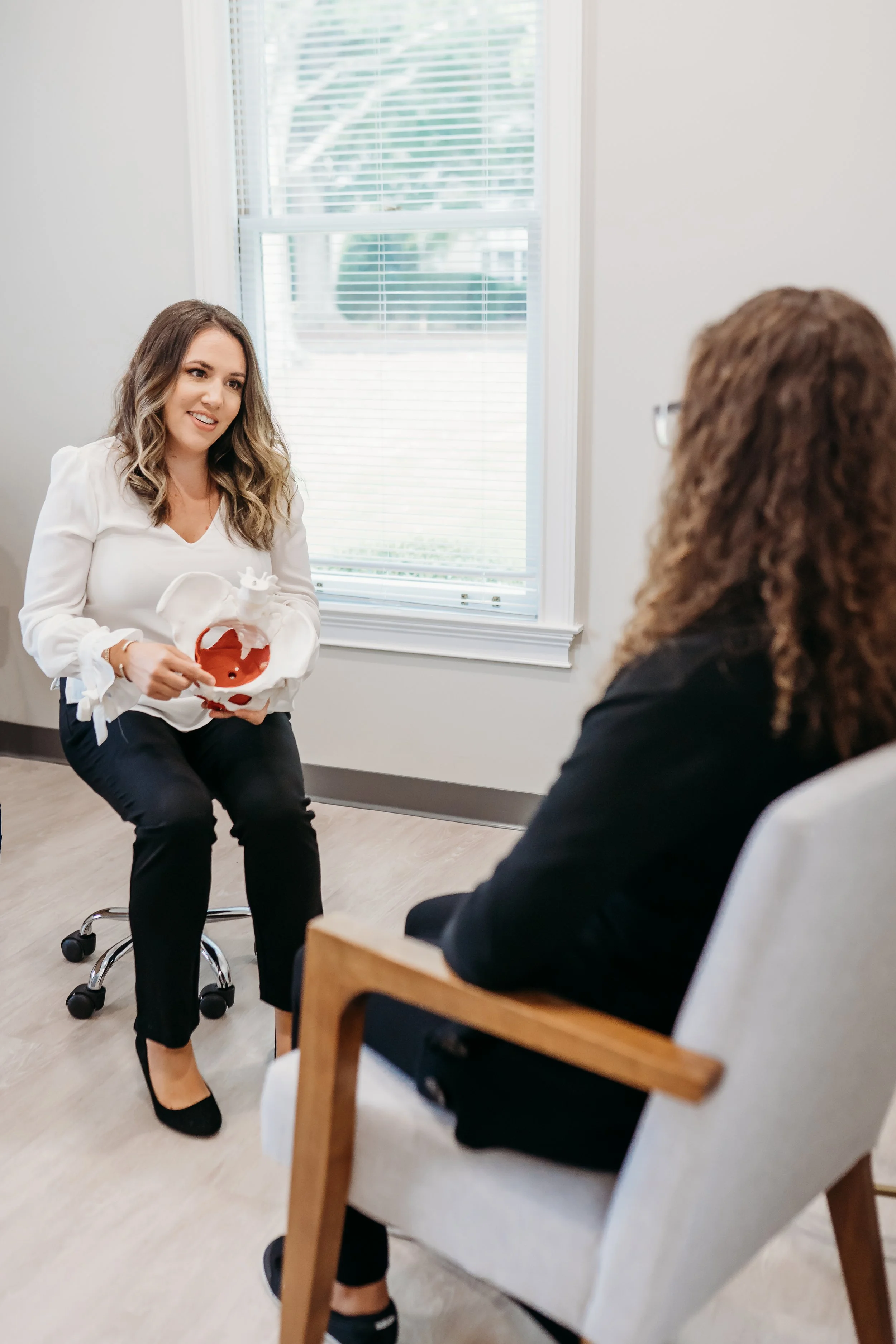
Our Expert Physical Therapists Are Here to Help you live pain free
At SPH we believe that people with pelvic pain deserve the best, most research-based and innovative care. We aim to always treat the whole person, as we know that what happens in the pelvis is impacted by everything else in the body.
Treatment for pelvic pain Typically Includes
-
Manual therapies including myofascial release, visceral mobilization, and/or dry needling
-
Specific exercises aiming to improve tension and length in certain muscles around the pelvis and body
-
Specific exercises to optimize strength and stability
-
Posture and movement-specific training
-
Education to help you optimize your bowel, bladder and sexual habits
-
Nervous-system strategies to help improve sensitivity you may have in your nerves
-
Much more ~ customized to you and what we identify together in your first visit and examination.
We also have the capacity to utilize tools and modalities like surface-EMG biofeedback, dilators/trainers, wands, cupping, foam rollers, therapeutic heat/cold, specific cushions, belts or other supportive devices, and other options, based on your specific needs.
You Don’t Have to Live With Pelvic Pain
Your Pelvic Pain questions, Answered.
-
Pelvic floor physical therapy is a specialized area of physical therapy that is dedicated to helping people with common problems related to the pelvic floor muscles and the pelvis. This includes problems related to the bladder like leakage, urinary urgency and frequency, and difficulty voiding. It also includes bowel problems like bowel leakage and constipation, as well as sexual health challenges like painful sex (in all genders!), erectile dysfunction, premature ejaculation, and much more. Along with this, we work with people who have pelvic pain challenges like endometriosis, interstitial cystitis (aka bladder pain syndrome), vulvodynia, chronic prostatitis, coccydynia (tailbone pain) and much more!
Our goal as pelvic floor physical therapists is to help a patient identify how their musculoskeletal and neuromuscular structures can be contributing to the symptoms they’re experiencing. This can include challenges like pelvic floor muscle weakness, pelvic floor tension or spasm, or coordination difficulties (meaning the pelvic floor might be tightening when it should be lengthening and opening). We also know that the pelvic floor muscles work as part of a bigger system, so they can be impacted by what is happening around the abdomen (ie. scar tissue, muscle problems, etc), the hips, the spine, and even up and down the body→ from the neck all the way down to the feet. We look at the whole person, and our goal is to help your body work in your favor so you can overcome the pelvic health challenges you’re dealing with, and ultimately have long-term relief!
Pelvic floor physical therapy has grown so much in popularity in the past 10-20 years— but with that growth, can sometimes come some challenges. We see clinics popping up with therapists who really have not had advanced training in the pelvic floor. This, unfortunately, leads to patients receiving less than optimal care. That’s why at Southern Pelvic Health, we ensure that all of our physical therapists are truly specialized in the pelvis. Each therapist has had 100+ hours of continuing education training specific to the pelvis and the pelvic floor. And beyond that– our practice focuses on continued learning. We attend conferences together, read the most recent research, and collaborate. This means our patients can trust that they are seeing providers who are truly specialized– who are always working to learn more- and who ultimately want to help them get the best, most research-based, and up-to-date care available.
-
Pelvic floor physical therapy can help with a variety of conditions in the pelvis! This includes problems related to the bladder like leakage, urinary urgency and frequency, and difficulty voiding. It also includes bowel problems like bowel leakage and constipation, as well as sexual health challenges like painful sex (in all genders!), erectile dysfunction, premature ejaculation, and much more. Along with this, we work with people who have pelvic pain challenges like endometriosis, interstitial cystitis (aka bladder pain syndrome), vulvodynia, chronic prostatitis, coccydynia (tailbone pain) and much more!
Additionally, we help people with common challenges related to pregnancy and the postpartum period. This can include problems like pelvic girdle pain, pubic joint pain, low back/SI pain, diastasis rectus abdominis, and painful scars (after perineal tears or Cesarean births). We also help people with postpartum urinary, bowel or sexual health challenges. Additionally, during pregnancy and postpartum, many patients have goals of staying well and preventing problems in the future! Our goal is to help them optimize their pelvic health, learn about their bodies and muscles, so they can feel strong and confident progressing through life.
-
Pelvic and abdominal pain can be caused by many factors in the body, which can make it complicated! Sometimes pain can be visceral in nature– caused from the organs in the pelvis. This is the case with diagnoses like ovarian cysts, uterine fibroids, urinary tract infections, and more. In other cases, an organic cause may not be identified– and that’s where we come in!
There are many musculoskeletal structures and neuromuscular structures that can also contribute to pain in the pelvis and abdomen. Several muscles refer pain into the abdomen and pelvis including:
Pelvic floor muscles (can refer anywhere around the pelvis and lower abdomen)
Obturator internus (a deep muscle inside the pelvis that stabilizes and externally rotates the hip– can refer into the lower abdomen, around the hip, the buttock and back of the thigh)
Abdominal muscles (can refer in the abdomen and into the lower back)
Iliacus and psoas (hip flexor muscles- can refer into the abdomen, low back, and front of the leg)
-
The best way to find out is by having someone who has advanced training in the pelvic floor evaluate your muscles. At Southern Pelvic Health, we do this comprehensively through either an external and/or an internal examination (via the vaginal or anal canals). During the exam, we gently press on specific muscles in the pelvic floor to assess for tension, tenderness and pain. Typically, we find if the pelvic floor muscles are involved, they will be tender to palpation, sometimes referring to the primary area where the patient hurts. We know that healthy pelvic floor muscles should not hurt when palpated, so pain in this area is something we should pay attention to.
-
Unfortunately, pelvic pain is often a long journey for many patients. In the research, we see that many patients see 6+ different providers before receiving helpful diagnoses– so many patients do suffer for years. This is so sad, and something that truly needs to change in the world! That being said, despite the long periods of time of suffering, we still do see really positive results with physical therapy! Often patients are surprised at how quickly their bodies respond when the right problems are addressed! We have had countless patients find lasting relief after YEARS of struggling with pain!
-
The first appointment is an opportunity for you to connect with your physical therapist. We want to know all about you– what challenges you’ve been dealing with– and your journey thus far. We’ll ask you questions about your bladder, bowel and sexual health; your past medical history and surgical history; and birth/pregnancy history (if pertinent). You’ll get a chance to ask any questions you have too, and share anything you think is important.
After that, we’ll recommend an examination for you so we can find out what’s happening around your body that may be contributing to the symptoms you’ve been dealing with. This typically includes a whole body movement screen (looking at how you move from your neck to your feet!). It will also include specific examination around the hips, the abdomen, and the pelvis.
Next, we will examine specifically around the pelvic floor. This can be done a variety of ways– externally, internally, and/or both! Your therapist will discuss options with you and share their recommendation for the best approach. Then, you’ll get to decide how you want to proceed, and we’ll move forward to determine the function of your muscles and build a plan for you!
From there, we’ll discuss the examination findings with you and our recommendations for treatment. We’ll let you know how often we recommend you coming in, and specifically what we want to focus on in treatment. We’ll often start you on a few exercises and recommendations that first day, and make sure you feel confident in the plan going forward.
-
Great question! Every Doctor of Physical Therapy at Southern Pelvic Health has extensive training in internal vaginal and rectal examination of the pelvic floor muscles. The pelvic floor muscles are located inside the pelvis– wrapping from the tailbone to the pubic bone, and around the openings of the urethra, vagina (if you have one!) and the anus. Due to their location, it is crucial that a therapist be trained in internal evaluation in order to truly specialize in evaluating and treating the pelvic floor. Now, that being said– this does not mean that every patient at our practice must have an internal exam– our goal is to partner with our patients, offer them options, and support them in pursuing the right approach for them. Some patients prefer to avoid internal exams, and we absolutely support that choice– but– all of our therapists have the training, and know the pelvic floor, inside and out!
-
We are so sad to hear that so many patients have painful and negative experiences with other providers (medical and therapy alike!). We do not believe that you need to cause pain to treat pain. In fact, pain is the body’s alarm system– it is meant to identify threat and cause you to respond. Our goal is to help your body remove threat from the pelvic floor muscles! We use a very gentle approach, communicating with our patient consistently throughout any treatment. Most of our patients are surprised at how comfortable treatment is!
-
This can vary widely based on how long a person has been dealing with their pain, and what other factors are involved in their symptoms. We generally expect to see a trend of improvement within the first 3-4 visits (sometimes this is substantial improvement, and sometimes it’s most subtle!). Most patients with pelvic pain see us over the course of 8-12 sessions, spaced out over 3-4 months– but our goal is to respect what each person needs and tailor our sessions to them!
-
Absolutely. We find that the body does not work in isolation. Since the pelvic floor muscles are in such close proximity to the bladder, bowels, and the rest of the pelvis– what is happening with one area can directly influence the other. We find that challenges like constipation, urinary frequency/urgency, and painful sex can be very related to pelvic pain challenges. In helping one, we often help the other. Our goal is always to treat the whole person!
-
Low back, hip and abdominal pain can often have pelvic floor muscle contributions. One study found that over 90% of people with low back pain had pelvic floor muscle tension. Additionally, since the pelvic floor muscles are protective and respond to threat/stress, any increased stress around the body can lead to tension problems in the pelvic floor.
Along with this, the pelvic floor muscles refer around the abdomen, low back, hips and buttock. So sometimes pain in these areas can be caused by problems in the pelvic floor.

★ ★ ★ ★ ★
My Physician recommended Southern Pelvic Therapy after I had experienced pain and urgency. I did not know what to expect. My physical therapist, Stephanie, was discreet, professional, knowledgeable, and gentle. She was informative and supportive and could answer my questions in a professional manner. Also, after my first and second office visits, I felt much better. In conclusion-- a very professional group and my therapist actually helped me find relief from the pain I suffered for months. Thank you!


