
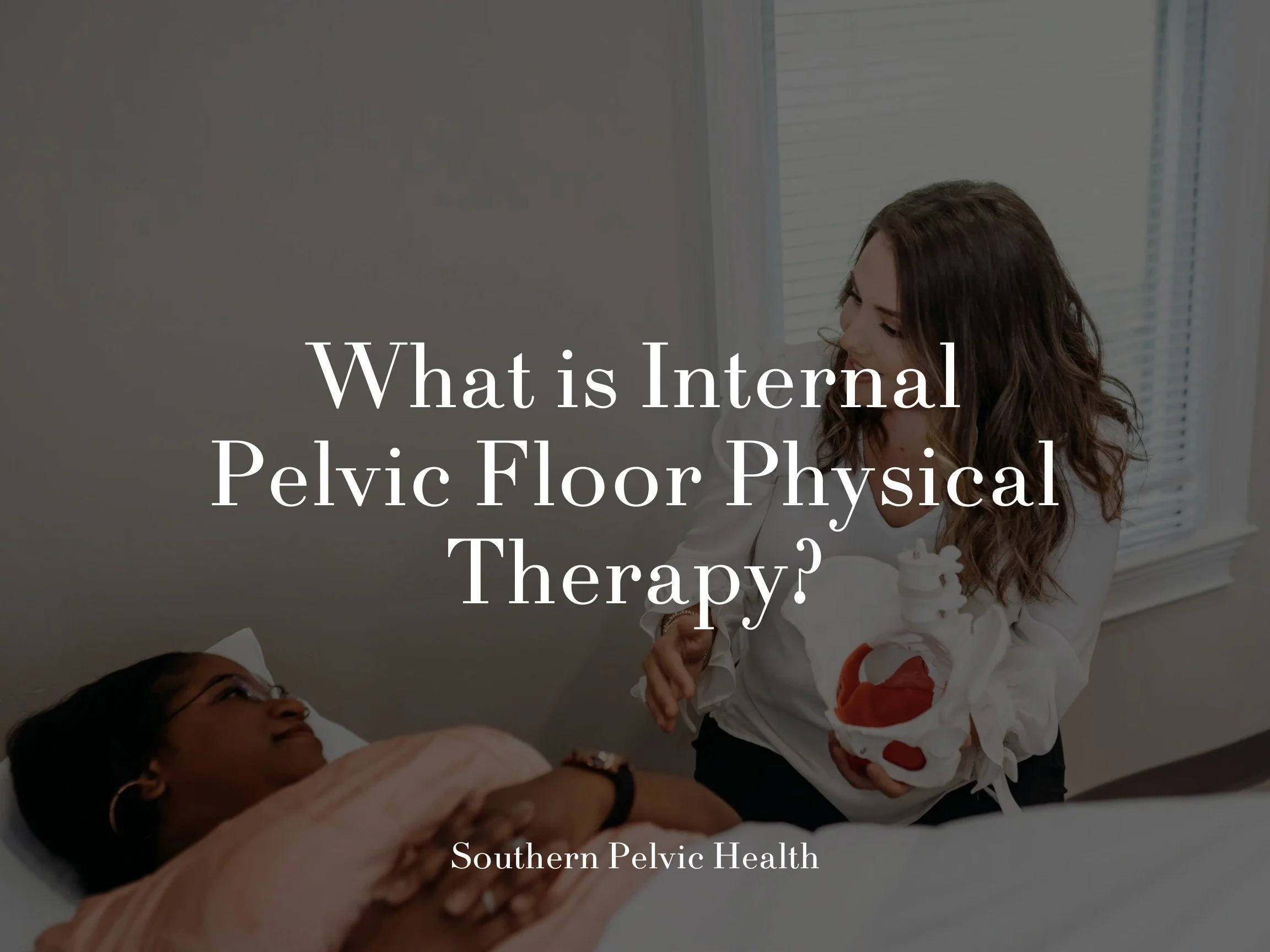
What is Internal Pelvic Floor Physical Therapy?
Internal pelvic floor manual therapy is a legitimate, evidence-based treatment used by specially trained pelvic floor physical therapists to assess and treat a range of pelvic floor muscle dysfunctions. In addition to overactive or painful muscles, this can include areas of restricted mobility, poor muscle coordination, tenderness related to pelvic or abdominal pain, difficulty relaxing the pelvic floor during bowel or bladder emptying, and changes in tissue mobility following injury, surgery, or childbirth.
This article explains what internal manual therapy is, who it is appropriate for, what treatment involves, and the importance of informed consent, communication, and proper clinical training.
In light of past abuses within healthcare, understanding how ethical pelvic floor care is delivered can help patients feel informed, empowered, and safe when seeking treatment.
Updated: January 2026
The following update reflects current standards of care and patient-centered practice in pelvic floor physical therapy.
Since this post was originally written, the pelvic health community has continued to evolve with a stronger, more explicit emphasis on trauma-informed care, patient autonomy, and informed consent.
Internal pelvic floor manual therapy remains a valid, evidence-based treatment option when clinically appropriate, but it is never required and should always be guided by the patient’s comfort, understanding, and ongoing consent.
Many pelvic floor physical therapists now place even greater emphasis on education, clear communication, and offering alternatives to internal techniques when possible.
Patients should feel empowered to ask questions, set boundaries, decline internal treatment, or stop at any point.
Ethical pelvic health care is collaborative, transparent, and centered on patient safety.
Several years ago, widespread reports of sexual abuse and assault perpetrated by a physician affiliated with MSU and USA Gymnastics exposed horrific violations of trust within healthcare and athletics.
The abuse inflicted on more than 150 young women under the guise of medical treatment was devastating, and the accountability that followed marked an important moment for survivors and for the medical community as a whole and I know many of us were glad to see him held accountable for his actions with both the verdict and sentencing.
In the pelvic PT world, this hit very close to home, and made all of us completely infuriated.
For this person to take a completely valid, evidence-based and extremely beneficial treatment technique, and contort it into being an avenue for abuse was unfathomable to those of us who have dedicated our careers to helping men and women with pelvic floor problems. Several colleagues have spoken out about this.
Particularly, Lori Mize, the incoming Vice President of the Section on Women's Health, wrote an excellent post for the Huffington Post, that I would strongly encourage you to read.
In this space, I want to highlight a variety of treatment techniques used in pelvic floor physical therapy to help you better understand treatment options, and hopefully alleviate some fear that some of you may have about "the unknown."
In light of these past events, I find it meaningful to continue to discuss internal manual therapy techniques for the pelvic floor muscles.
What is Pelvic Floor internal Manual Therapy?
Internal manual therapy techniques are a treatment used for someone who has overactive, tender and/or shortened pelvic floor muscles.
Before we get started, if you want to better understand the anatomy of the pelvic floor, check out this post by my friend and colleague Tracy Sher.
Tender or overactive pelvic floor muscles can occur when someone is experiencing problems like pelvic pain, painful sexual intercourse, tailbone pain, as well as urinary or bowel dysfunction.
These techniques are performed either vaginally or rectally by a skilled medical practitioner who has undergone advanced training to learn to evaluate and treat the pelvic floor muscles.
They are only performed once the patient has been thoroughly educated about the treatment techniques and consents to participating in the treatment.
Patients should always know that internal techniques are optional and can be declined, modified, or stopped at any point during care.
What does Internal treatment involve?
The goal of internal manual therapy is to improve the relaxation, lengthening and tenderness of the pelvic floor muscles.
Generally, the patient is first positioned comfortably in either hooklying (on their back with knees bent, sometimes resting on a pillow-- yep, no stirrups needed!), sidelying or sometimes on their stomach, depending on what position is preferable to the patient and allows the therapist access to the tissues being treated.
The therapist then places one gloved finger within the vaginal or rectal canal and gently presses on the muscles of the pelvic floor to identify (with constant feedback from the patient) where the muscles are tender or uncomfortable.
Manual therapy techniques then can be performed to help improve the tenderness of these muscles and promote relaxation and lengthening.
These techniques can include:
Holding gentle pressure while the patient focused on relaxing and breathing
Holding gentle pressure while the patient performs a contact/relax of the muscles or a pelvic floor bulge.
Holding gentle pressure while simultaneously pressing with the opposite hand on a point around the pelvis to produce slack in the muscle (a modified strain counter strain technique.
Sweeping stretches over the muscle belly
Different therapists have different approaches, but they all are done in complete collaboration and communication with the patient and are modified based on the patient's comfort and response to the treatment.
Personally, I tend to prefer more gentle approaches while also focusing globally on improving awareness and calming the nervous system.
This is not a "no pain no gain" situation-- in fact, most often we see the best results when we are able to keep pain at a very minimal level.
What type of training should the therapist have for Internal Pelvic Therapy?
It is very important that the person performing this treatment has had specialized training in this technique.
At minimum, they should have attended an initial continuing education course that teaches a beginner level evaluation and treatment of the pelvic floor, generally weekend course including at least 24 hrs of instruction.
Many training programs now include a 3 or 4 course series, and I strongly encourage clinicians to complete the coursework to learn how to comprehensively care for their patients.
At Herman and Wallace Pelvic Rehabilitation Institute, there is a 4-course series which includes a level 1, 2A, 2B and Capstone.
The Section on Women's Health has a 3-course series and there are now several other companies offering varying training programs.
Patients should feel comfortable asking their provider about training, experience, and alternative treatment options before beginning care.
Our Guide to Finding a Great Pelvic Floor Physical Therapist
Who does Internal Pelvic Floor treatment help?
As I mentioned above, manual therapy to the pelvic floor is helpful when a person has overactive, tender and/or shortened pelvic floor muscles that are contributing to the problem they are experiencing.
This can occur when a person has pain in and around the pelvis or if the person is experiencing urinary, bowel or sexual dysfunction.
We are producing more and more research about these techniques every day, but here are a few snippets:
In this study, 50% of the men treated to address chronic scrotal pain saw a significant reduction in their pain.
In this study, 93 people were treated with pelvic floor techniques to address coccyx pain (as well as pain after coccyx removal). Overall, they saw an average of 71% improvement.
This study compared comprehensive pelvic PT to cognitive behavioral therapy for women with provoked Vestibulodynia. They found that 80% of the women in the PT group had significant improvements compared to 70% in the CBT group.
This study evaluated the effects of pelvic floor physical therapy techniques on pain reduction in men who had chronic pelvic pain. Treatment included internal and external techniques and over 70% experienced moderate or robust improvements.
This study found that 62% of women experiencing urinary frequency, urgency and/or bladder pain who were treated with physical therapy interventions, including internal manual therapy techniques, reported feeling "much better" or "very much better" following the interventions.
I hope this was helpful and removed some of the fear from this technique! If you think this treatment may be a helpful one for you, talk with your health care provider! As always, I love to answer any questions you may have!
Where to find pelvic floor therapy Treatment
If you’re local to Marietta and Atlanta, we offer we offer comprehensive pelvic therapy care and would love to help you.
To get started or ask more questions, submit our contact form.

Written by Dr. Jessica Reale
Dr. Jessica Reale, PT, DPT, WCS, is a board-certified pelvic health physical therapist and founder who specializes in treating pelvic floor conditions across the lifespan and gender spectrum, including pediatrics, adolescents, and adults. Her clinical work focuses on bowel, bladder, and pelvic pain conditions, with particular expertise in complex and often misunderstood pelvic health diagnoses.
Dr. Reale is a nationally recognized educator in pelvic rehabilitation and has taught thousands of clinicians through advanced pelvic health coursework. She is board-certified as a Women’s Health Clinical Specialist (WCS) and remains deeply committed to evidence-based, compassionate care that supports both patients and providers within the pelvic health community.